Leaps and Bounds PT
  • Home
  • About Us
  • Meet Our Team
  • Physical Therapy Services
  • Schroth Treatment
  • DMI
  • Continuing Education
  • Join Our Team
  • Blog
  • Contact
  • Book
  • Leaps Marketplace

Understanding In-Toeing

11/1/2025

 
Picture
What Is In-Toeing?
In-toeing, sometimes called “pigeon-toeing,” is when a child’s feet turn inward while standing, walking, or running. It’s a common concern parents notice in toddlers and preschoolers. In-toeing can arise from different areas of the leg or foot, including the hips, shins, or feet. While many children outgrow in-toeing naturally, persistent inward turning can affect balance, coordination, and walking patterns. Pediatric physical therapy can help identify the cause and support proper alignment, strength, and functional movement.

Who Does In-Toeing Affect?
In-toeing is fairly common in young children and can affect both boys and girls equally. It often becomes noticeable when children begin walking independently.
There are three main types:
Metatarsus Adductus: The front of the foot curves inward. Most common in infants and often improves without intervention; Often a positional issue in the womb, leading to a curve in the front of the foot.
Tibial Torsion: A twist in the shinbone (tibia) that causes the feet to point inward. Common in toddlers and usually resolves with growth; Frequently develops in toddlers due to natural growth patterns. Children may sit in the “W” position, which can reinforce inward rotation.
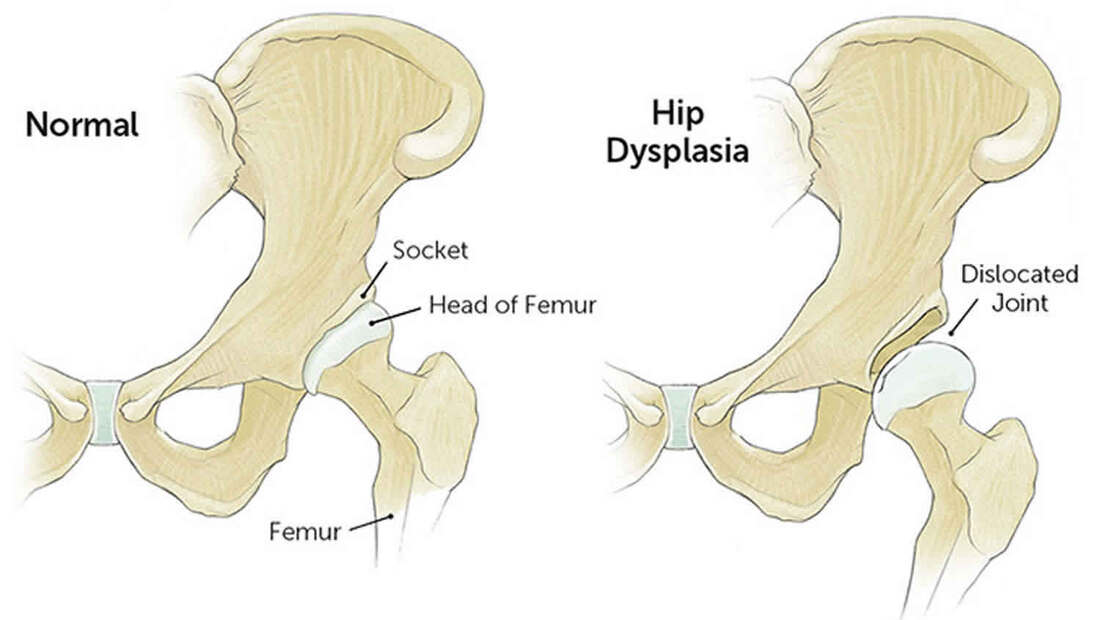
Femoral Anteversion: An inward rotation of the thigh bone (femur). Often seen in preschoolers and may persist longer than other types; Commonly develops as a child grows, usually peaking around age 3–5.
Picture
When to Seek Evaluation
Most cases of in-toeing are harmless and improve naturally. However, it’s important to consult a pediatric physical therapist if your child:
  • Trips or falls frequently,
  • Has difficulty running, jumping, or playing sports,
  • Shows inward feet past early childhood,
  • Experiences pain in the feet, knees, or hips

How Pediatric Physical Therapy Can Help
Pediatric PT can:
● Assess the Cause of In-Toeing Determine whether the inward turning is coming from the
feet, shins, or hips.
● Improve Strength and Alignment Strengthening leg, hip, and core muscles supports
proper walking and running patterns.

● Enhance Balance and Coordination Activities such as hopping, balancing, and obstacle
courses improve motor skills.
● Teach Proper Foot Positioning Exercises encourage the feet to point forward naturally.
● Provide Home Exercise Programs Parents learn fun and safe exercises to reinforce PT
goals at home.

Examples of PT Activities for In-Toeing
● Balance Games: Walking along lines or curbs, standing on one foot, or hopping through
an obstacle course.
● Stretching Exercises: Gentle stretches for the hips, legs, and feet.
● Strengthening Activities: Squats, bridges, or resistance-band exercises designed for
children.
● Gait Practice: Encouraging proper foot placement through playful activities like “follow
the leader” or running games.
Picture
Why Early Evaluation Matters
Early assessment and intervention help:
● Prevent persistent gait abnormalities
● Improve coordination and confidence
● Avoid discomfort or pain in the feet, knees, or hips
● Support age-appropriate motor skill development


With timely evaluation and guidance from a pediatric physical therapist, many children with
in-toeing achieve improved alignment and movement patterns, often without the need for braces or surgery.


If you have concerns about your child’s walking pattern, please call either of our offices or fill out the contact form on our website. Our team is here to provide a personalized evaluation and help your child move confidently!

Obstacle Course Ideas to Build Strength & Coordination

10/1/2025


Obstacle courses are a fun and effective way to help kids develop strength, coordination, and confidence. By incorporating different challenges, children can improve their balance, agility, and overall physical fitness while engaging in play. Whether at home, in a classroom, or during therapy sessions, obstacle courses can be customized to suit various skill levels and abilities.

Picture
Benefits of Obstacle Courses
Obstacle courses offer a range of developmental benefits, including:
  • Improved Gross Motor Skills: Activities like jumping, crawling, and climbing enhance overall body coordination.
  • Strength Development: Engaging in weight-bearing movements helps build core, upper, and lower body strength.
  • Balance and Agility: Navigating different obstacles enhances a child’s ability to adjust and react to changing environments.
  • Sensory Integration: Courses that include different textures, heights, and movement types can help children process sensory input more effectively.
Picture
Creative Obstacle Course Ideas
Here are some engaging obstacle course setups that can be adjusted for different age groups and abilities:
Indoor Obstacle Course Ideas
  1. Cushion Climb: Stack pillows or couch cushions to create a mountain for kids to climb over.
  2. Tunnel Crawl: Use a pop-up tunnel or a blanket draped over chairs to encourage crawling.
  3. Balance Beam Walk: Place a strip of tape on the floor and have kids walk heel-to-toe along the line.
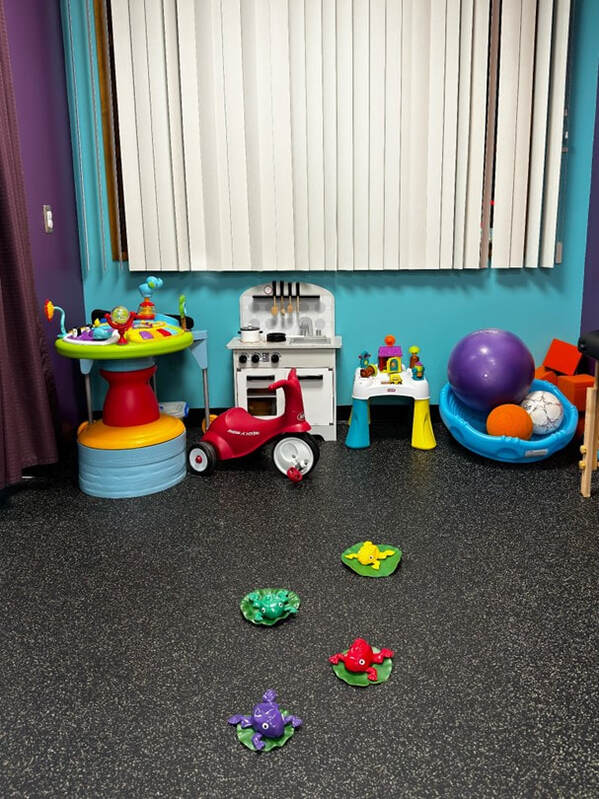
  4. Jumping Challenge: Lay out hula hoops or paper circles as “lily pads” to jump between.
  5. Bear Walk Path: Have children walk on all fours through a designated course to build upper body strength.
Outdoor Obstacle Course Ideas
  1. Hopscotch Circuit: Use sidewalk chalk to draw hopscotch patterns with different jumping challenges.
  2. Ladder Agility Run: Lay a rope ladder on the ground for kids to step through quickly.
  3. Hurdle Jumps: Set up small cones or pool noodles to jump over.
  4. Tire Run: Use old tires or hula hoops as stepping stations for quick footwork drills.
  5. Swing and Climb: Incorporate monkey bars, swings, or climbing walls for upper body engagement.

Picture
Tips for a Successful Obstacle Course
  • Ensure Safety: Use soft surfaces and clear the area of hazards.
  • Encourage Creativity: Let kids help design and adjust obstacles for added engagement.
  • Make It Inclusive: Adapt activities to accommodate all abilities and skill levels.
  • Incorporate Timed Challenges: Adding a stopwatch can increase motivation and excitement.
  • Mix It Up: Change obstacles frequently to keep kids engaged and working different muscle groups.

Conclusion

Obstacle courses are a fantastic way to promote strength, coordination, and active play. Whether indoors or outdoors, structured or freeform, these courses provide a dynamic way for kids to build essential physical skills while having fun. Try setting up an obstacle course today and watch your little ones develop confidence, resilience, and a love for movement!

How Pediatric Physical Therapy Supports Children with Autism Spectrum Disorder (ASD)

9/1/2025


Autism Spectrum Disorder (ASD) is a complex developmental condition that affects how a person communicates, moves, interacts socially, and experiences the world. Because it’s a spectrum, every child with ASD presents differently. Some children may struggle with language and social cues, others may show repetitive behaviors or intense sensory sensitivities. Many also face physical challenges that aren’t always immediately obvious—but this is where pediatric physical therapy can make a real difference.

Picture
Children with ASD often present with low muscle tone (hypotonia), which can affect their posture, coordination, and overall strength. They may also walk on their toes, have delayed gross motor development, or seem unaware of their surroundings, leading to safety concerns. Physical therapy addresses these concerns head-on through movement-based interventions that build foundational skills for everyday life.

For example, toe walking is a common pattern seen in kids on the spectrum. PTs work to gently improve range of motion and calf flexibility while building strength and motor control to encourage a more typical walking pattern. Similarly, kids with low tone may have trouble with balance, fatigue quickly, or have difficulty sitting upright during school or play. A pediatric PT can implement a program that targets core strength, postural stability, and endurance in fun, engaging ways, often using play-based strategies that feel like games to the child.

Motor planning, knowing how to move the body to complete a task, is another area where kids with ASD may struggle. Things like jumping, skipping, or even getting dressed can be difficult. Physical therapists break down these tasks into manageable steps and help children build the confidence and ability to perform them independently.

Safety is another major concern, many children on the spectrum have reduced body awareness (also called proprioception), which means they might not realize where their body is in space. This can lead to clumsiness, bumping into things, or even bolting without awareness of danger. Through targeted activities, therapists can help children improve spatial awareness and reaction time, making everyday environments like playgrounds, classrooms, and even parking lots safer and more manageable.

Pediatric PT also addresses sensory needs. Some children seek out intense movement to feel grounded, like crashing into furniture or constantly jumping. Others may avoid movement altogether. Physical therapists design sensory-motor activities that help regulate these responses, offering safe and structured ways to meet sensory needs. A child might use swings, obstacle courses, or balance tools to help their nervous system process input more effectively.

Beyond the physical, physical therapy sessions often provide a natural setting to support emerging social skills. Whether it’s taking turns on equipment, following directions in a game, or learning how to navigate group activities, PT can help support interactions in a structured, low-pressure environment.

Every child with autism is different, and physical therapy is never one-size-fits-all. At Leaps and Bounds, by considering each child’s physical limitations, but also sensory preferences, emotional regulation, and communication style, the goal is always the same: to help each child move, explore, and engage with the world more confidently.

A Pain-Free Return to School: Preventing BACKPACK-related Pain & Poor Posture in Kids

8/1/2025


Backpacks are an essential part of a child’s daily routine, but carrying a heavy or improperly worn backpack can lead to pain, poor posture, and long-term musculoskeletal issues. As parents and caregivers, ensuring proper backpack use is key to supporting spinal health and overall well-being.

Picture
The Impact of Heavy Backpacks
A backpack that is too heavy or incorrectly worn can cause strain on a child’s neck, shoulders, and back. Over time, this can contribute to:
  • Poor posture
  • Muscle fatigue and strain
  • Increased risk of back and shoulder pain
  • Spinal misalignment

Choosing the Right Backpack

Selecting an appropriate backpack can significantly reduce strain on a child’s body. Consider the following features:
  • Size Matters: The backpack should be proportionate to the child’s body, not extending beyond their shoulders or lower back.
  • Wide, Padded Straps: These help distribute weight evenly and reduce pressure on the shoulders.
  • Multiple Compartments: Spreading out the weight can help balance the load.
  • Lightweight Material: Avoid adding unnecessary weight with a heavy backpack design.
  • Waist and Chest Straps: These can help stabilize the backpack and distribute weight more evenly.

Proper Backpack Wearing Tips

Even the best backpack won’t prevent strain if it’s worn incorrectly. Teach children to:
  • Use Both Straps: Wearing the backpack over one shoulder can cause imbalance and muscle strain.
  • Adjust Straps Properly: The backpack should sit snugly against the back and not hang below the waist.
  • Limit Weight: The backpack should not weigh more than 10-15% of the child’s body weight.
  • Pack Heavier Items Close to the Back: This keeps the load centered and reduces strain.

​Encouraging Healthy Habits

To further prevent backpack-related issues, encourage kids to:
  • Clean Out Their Backpack Weekly: Remove unnecessary items to lighten the load.
  • Use Lockers When Available: Storing books and supplies instead of carrying everything all day reduces strain.
  • Engage in Posture-Strengthening Activities: Exercises like core strengthening, stretching, and yoga can help maintain proper posture and back health.​

When to Seek Professional Help
If a child complains of persistent back, neck, or shoulder pain, it may be time to consult a pediatric physical therapist. They can assess posture, strength, and mobility to address any underlying concerns and provide personalized strategies to prevent discomfort.
Picture

​Backpack safety plays a crucial role in preventing pain and poor posture
in school-age kids. By choosing the right backpack, wearing it properly,
and encouraging healthy habits, parents and caregivers can support
their child's physical well-being and academic success. If pain
persists, seeking professional guidance can make a world of
difference in keeping kids active and pain-free.

Pediatric PT for Toe Walking: Treatment and Strategies

7/1/2025


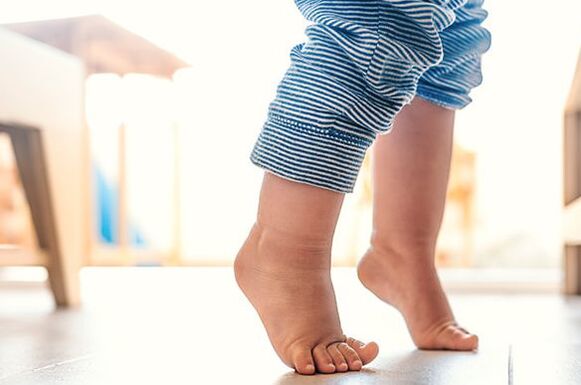
At Leaps and Bounds Pediatric Physical Therapy, we often work with families who are concerned about their child’s walking pattern—particularly when a child walks on their toes instead of using a typical heel-to-toe gait. Toe walking is common in toddlers who are just learning to walk. Between the ages of 10 to 18 months, it's not unusual for children to walk on the balls of their feet as they explore their mobility. Most children naturally grow out of this phase by around age two-three. However, if your child continues to toe walk beyond that age, it could be a sign that further evaluation and support are needed.  In this blog, 
​
Dr. Bassem will help us to understand toe walking and how PT can help!

Picture
What Causes Toe Walking?
There are a variety of reasons why a child might toe walk. In some cases, it’s idiopathic, meaning there’s no clear underlying cause. About 5% of otherwise healthy children fall into this category and often grow out of it over time.
Other times, toe walking may be related to neurological conditions like cerebral palsy, muscular dystrophy, or sensory processing disorders, including autism. Physical limitations such as a tight Achilles tendon or shortened calf muscles can also prevent the heel from touching the ground. Some children simply develop a habit of toe walking, especially if they have muscle tightness or favor that gait pattern. In a few cases, a family history of toe walking suggests there may even be a genetic component. At Leaps and Bounds PT, we take a compassionate, child-centered approach to treating toe walking. We believe in working closely with families to create a therapy plan that fits your child’s needs while keeping therapy engaging and enjoyable.
Our pediatric physical therapists are experienced in identifying the root causes of abnormal gait and using evidence-based strategies to help your child develop a more functional and comfortable way of walking. Here’s how we help: For children with sensory processing challenges, we incorporate a sensory diet into their therapy. Using tools like vibration board or sensory stepping stones, we provide targeted input to the bottoms of the feet to help children feel more grounded and take more confident steps.
​
Hands-On Therapy
We use soft tissue mobilization techniques on the feet, ankles, and calves to reduce tightness, improve circulation, and enhance sensory feedback. This helps relax overactive muscles and prepares the body for more effective movement. Stretching and Strengthening Our therapists lead children through gentle stretching routines to improve flexibility, particularly in the calves and Achilles tendon. We also focus on strengthening exercises to support better posture and walking patterns. 

Functional, Play-Based Exercises
What sets Leaps and Bounds apart is our ability to make therapy fun and meaningful. We incorporate activities such as:
● Seated scooter boards
● Obstacle courses with textured surfaces and movement challenges
● Animal walks like bear crawls or crab walks
● Backward walking and heel walking
● Climbing stairs, pulling/pushing weighted objects, and balance games

These exercises are not only enjoyable but also essential for improving coordination, balance, and overall motor skills. 

When More Support Is Needed
While many children benefit from conservative physical therapy, some may need additional support. At Leaps and Bounds PT, we collaborate with families and medical providers to determine the best course of action. This may include:
● Bracing with ankle-foot orthotics to help stretch the calves and promote heel contact.
● In rare cases, surgical intervention may be considered.

Why Early PT Matters
Toe walking can affect more than just how your child moves—it can impact their balance, coordination, muscle development, and even confidence. At Leaps and Bounds PT, we believe that early evaluation with a PT can make a lasting difference. Our goal is to help your child move with ease, confidence, and joy. Whether your child is just starting to toe walk or has been doing so for a while, we’re here to help guide you through every step of the journey with expert care and a personalized approach.

Tommy John Surgery in Young Athletes: What Parents Need to Know

6/1/2025


At our pediatric physical therapy office, we often work with young
athletes recovering from injuries. One of the most talked-about
surgeries in youth baseball is Tommy John surgery, a procedure
to repair the ulnar collateral ligament (UCL) in the elbow. While this
​surgery can be successful, the best approach is injury prevention--
starting with Dr. Brianna's proper pitch count guidelines for kids.

Picture
What is Tommy John Surgery?
Tommy John surgery, named after the MLB pitcher who first underwent the procedure, is a reconstructive surgery that replaces a damaged UCL with a tendon from another part of the body. This injury is most common in baseball pitchers due to the repetitive stress placed on the elbow during overhand throwing.

Why Are Kids Getting Tommy John Surgery?
The increasing frequency of Tommy John surgery among young athletes is concerning. Overuse, improper throwing mechanics, and lack of adequate rest are major contributors. Specializing too early and playing year-round baseball without breaks can significantly increase the risk of UCL injuries.
​

Pitch Count Guidelines for Injury Prevention
One of the most effective ways to prevent UCL injuries is to follow established pitch count recommendations. The guidelines from organizations like Little League Baseball and USA Baseball help ensure that young pitchers do not overwork their developing arms. Here are some general recommendations:
·Ages 7-8: 50 pitches per game, 75 per week, and at least two days of rest after 20+ pitches.
·Ages 9-10: 75 pitches per game, 100 per week, and at least two days of rest after 20+ pitches.
·Ages 11-12: 85 pitches per game, 100 per week, and at least three days of rest after 35+ pitches.
·Ages 13-16: 95 pitches per game, 125 per week, and at least three to four days of rest after 40+ pitches.

Additionally, young pitchers should avoid throwing breaking balls (like curveballs and sliders) until their arm is more developed, typically around age 14-16.

Strength and Conditioning for Injury Prevention
Physical therapy and targeted strength training can help reduce injury risk. Exercises that focus on shoulder stability, core strength, and proper throwing mechanics are key components of injury prevention. Stretching and recovery routines are equally important in keeping young athletes healthy.
Picture
 
​
While Tommy John surgery can help athletes return to the game, prevention is always the best strategy. Parents and coaches should monitor pitch counts, ensure proper rest, and encourage young players to participate in multiple sports to avoid overuse injuries. If your child is experiencing elbow pain or discomfort, early intervention with a pediatric physical therapist can make all the difference. 


At our clinic, we specialize in helping young athletes stay strong, recover effectively, and prevent injuries. Contact us today to learn more about injury prevention programs for your child!

Helping Children Learn Through Effective Feedback

5/1/2025


When it comes to supporting children's development—especially in
​therapy settings—how we give feedback can make a big difference.
The right kind of feedback not only guides learning but also builds
confidence, encourages persistence, and fosters a sense of ownership
in their progress. In this post, Dr. Bassem will   explain   different
types  of   feedback that can help children grow and succeed, with
practical examples to use during therapy sessions.

Picture
Types of Feedback To Help Children Learn:
1. Formative Feedback: Given throughout a therapy session to guide and encourage the
child’s progress.
Example: Offering immediate feedback during a therapy session, like “Let’s try that
again, but keep your knee straight.”

2. Summative Feedback: Provided after a therapy session or set of sessions to evaluate
the child’s progress toward their goals.
Example: Reviewing the child’s ability to complete specific activities or achieve
milestones, like walking a certain distance or improving muscle strength.

3. Self-Assessment Feedback: Allows children to reflect on their own therapy goals and
progress. It encourages ownership of their improvement and builds awareness of their
abilities.
Example: After completing a task, ask the child how they think they did and what they
feel they could improve.

4. Positive Feedback: Reinforces good behaviors and accomplishments with compliments
or small rewards to encourage continued effort.
Example: Saying, “I’m so proud of you for completing the obstacle course! You worked
hard and made great progress!”


5. Constructive Feedback: Helps children understand where they need to improve and
provides specific guidance on how to correct it.
Example: Gently pointing out that the child needs to correct their posture during an
exercise and showing them how to adjust.


6. Balanced Feedback: Combines praise with specific suggestions for improvement,
ensuring the child feels encouraged but also understands what to focus on next.
Example: “You did an awesome job with your squats today! Let’s work on bending our
knees a little more next time.”

7. Timely Feedback: Providing feedback right after a task or exercise helps children
connect their actions with the suggestions for improvement.
Example: Offering encouragement right after a child completes a challenging task, like
climbing steps: “Nice job! You almost made it to the top! Let’s try again and see if we can
get there together.”


8. Action-Oriented Feedback: Helps children know exactly what they need to do next to
improve and makes the process of learning new skills clear and achievable.
Example: Suggesting a new activity or challenge that the child can work on to build
strength, such as adding resistance bands to an exercise to increase difficulty.
Picture

A Spring in Your Step: Jumping Fun for Pediatric PT!

4/1/2025


We believe movement is magic—especially when it comes to jumping! Jumping activities are not just fun; they play a vital role in developing strength, coordination, balance, and confidence in children. Whether your little one is working on motor skills, building endurance, or just needs a little extra encouragement to move, incorporating jumping exercises can make physical therapy engaging and effective. Check out some of Dr. Brianna's favorite jumping activities to keep your child active and smiling!

Picture
1. Hopscotch Happiness
This classic game is fantastic for balance, coordination, and lower-body strength. Use chalk outside or tape indoors to create a hopscotch board and encourage kids to hop on one foot or jump with both feet together. For an added challenge, have them pick up small objects while hopping!
2. Trampoline Time
Mini trampolines are a great way to work on proprioception, balance, and leg strength in a safe and controlled environment. Supervised bouncing sessions help kids improve coordination and even offer sensory input that can be calming and regulating.
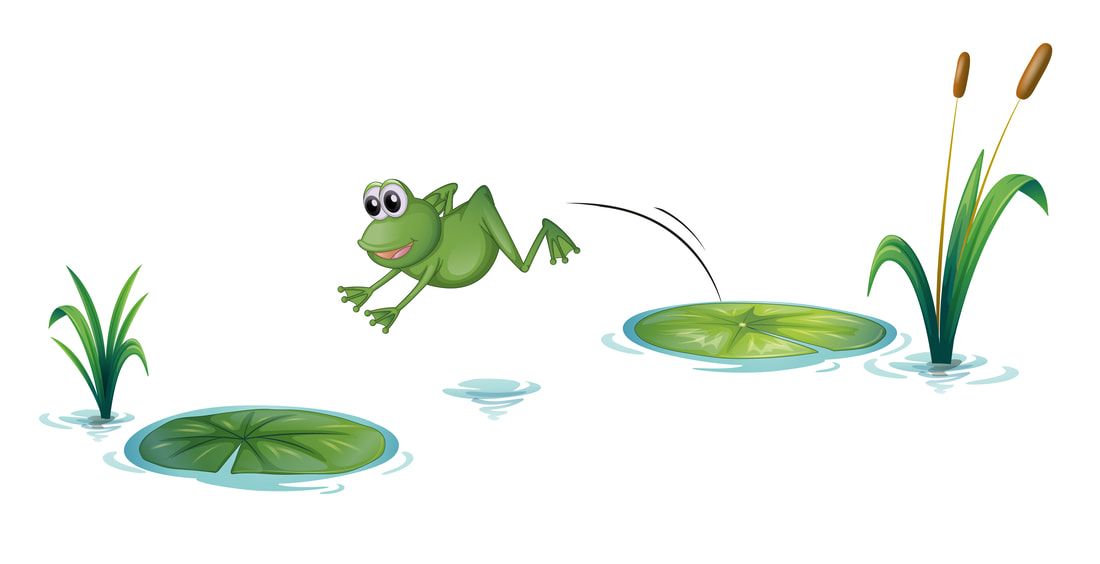
3. Lily Pad Leaps
Place floor markers, mats, or even pillows on the ground as "lily pads." Have children jump from one to another, encouraging them to vary their jumping patterns—two feet together, single-leg hops, or side-to-side jumps. This activity enhances motor planning and agility.
4. Jump Rope Jamboree
Jump rope is an excellent way to build endurance, timing, and rhythm. Start with simple two-foot jumps and progress to more advanced moves like alternating feet or crossing the rope. If a full jump rope is too challenging, try using a smaller rope for individual jumps.
5. Animal Jumps
Encourage kids to imitate different animals as they jump! Frog jumps, kangaroo hops, and bunny bounces are fun ways to build leg strength and engage core muscles. Turn it into a game by calling out different animals and having kids switch their jumping style accordingly.
6. Obstacle Course Challenges
Set up an obstacle course with cones, hurdles, and balance beams where kids must jump over, onto, or through different elements. This not only builds strength but also enhances sequencing and problem-solving skills.
7. Balloon Bounce
Blow up a balloon and challenge kids to keep it in the air using jumps! This activity promotes endurance, coordination, and reaction time, making it a fantastic way to get kids moving without them even realizing they’re exercising.
Picture
Why Jumping Matters
Jumping isn’t just about play—it’s a fundamental skill that contributes to overall physical development. It strengthens bones, improves cardiovascular health, and enhances body awareness. For children in physical therapy, jumping exercises can be tailored to target specific motor skills while keeping sessions fun and engaging.
Here at Leaps, we make movement exciting, helping every child develop the skills they need to thrive. Try out these activities at home or in therapy sessions, and watch your little one soar—one jump at a time!
​

Ready to Get Moving?
If your child could benefit from fun, movement-based therapy, we’d love to help! Contact us today to learn more about our pediatric physical therapy programs. Let’s put a spring in their step together!

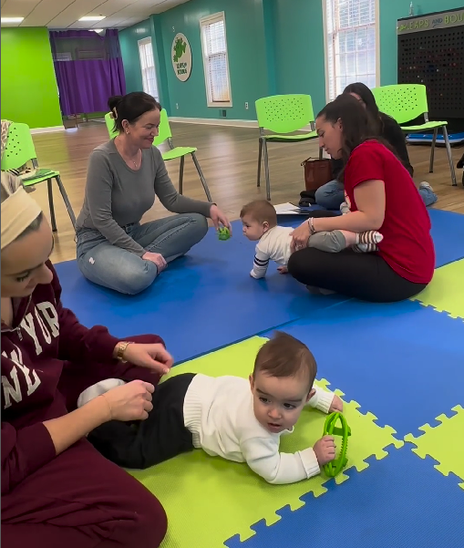
Understanding Torticollis & Plagiocephaly

3/1/2025

 
Picture
What is Torticollis?
Torticollis is a condition where an infant experiences limited neck movement, causing their head to tilt to one side and their chin to rotate toward the opposite side. The muscles involved are the sternocleidomastoid, trapezius, and scalenes, which are responsible for the head and neck’s movement and stability. In some cases, a small mass called a fibrous tumor can form in the affected muscle, though this is not always present.

When these muscles are tight, they can affect a baby’s ability to control their head properly. This may reduce strength and movement on the affected side, delay motor skills such as rolling or sitting, and make it difficult for the baby to fully turn their head or track objects on the opposite side. In severe cases, poor head control can prevent the baby from repositioning themselves in their crib, which can contribute to plagiocephaly. Plagiocephaly is a condition where one side of the infant’s head becomes flattened from prolonged pressure on that area of the skull, often a result of limited movement or staying in the same position for long periods.

Who Does Torticollis Affect?
Torticollis is fairly common, occurring in about 1 in 6 births. It affects both males and females equally. There are two types:
● Congenital Torticollis: This type is present at birth or develops shortly after. It may not be noticeable immediately but typically becomes apparent as the infant gains more control over head movements, usually within the first few weeks of life.
● Acquired Torticollis: This type often develops after birth, usually after 4 to 6 months of age, and can be caused by various factors that occur post-birth.  

What Causes Torticollis?
Acquired Torticollis
Acquired torticollis can develop for several reasons:
● Positional Factors: If a baby spends a lot of time lying on one side or consistently turns their head toward one direction, it can lead to muscle tightness and imbalance.
● Birthing Process: Difficult deliveries, particularly those involving the use of forceps or vacuum extraction, can result in injury to the neck muscles or nerves. This may lead to torticollis, as the baby might be unable to turn their head comfortably.
● Infections or Tumors: In some rare cases, infections or the presence of tumors near the cervical spine can cause pain. As a result, the baby may naturally favor one side to avoid discomfort, causing neck tightness and spasms.
● Stress and Fatigue: Prolonged crying, stress, or fatigue can strain the neck muscles, making the condition worse or triggering it in the first place.
Congenital Torticollis
Congenital torticollis typically develops before birth, often due to one of the following:
● Intrauterine Compartment Syndrome: This happens when there is limited space in the womb, which is more likely in cases involving multiple pregnancies (e.g., twins). This restricted space increases the likelihood of abnormal positioning and muscle tightness in the neck.
● Breech Position: If the baby is in the breech position (buttocks facing the birth canal), it can put pressure on the sternocleidomastoid muscle, which leads to tightening and the development of torticollis.
● Cervical Spine Deformities: Abnormalities in the cervical spine (the neck area) can affect the normal alignment and movement of the neck, making it more difficult for the baby to turn their head freely.
Picture
How is Torticollis Treated?
Early treatment through physical therapy is critical for treating torticollis, as prolonged muscle tightness can lead to muscle shortening, which is harder to treat later on.
​

Here are the common treatment approaches:
1. Gentle Soft Tissue Mobilization
This involves techniques designed to relax and lengthen the affected muscles, reducing tightness and improving flexibility.
2. Range of Motion Exercises
Exercises that help improve neck mobility and overall movement are essential for restoring the baby's ability to turn their head freely in all directions.
3. Manual Stretching
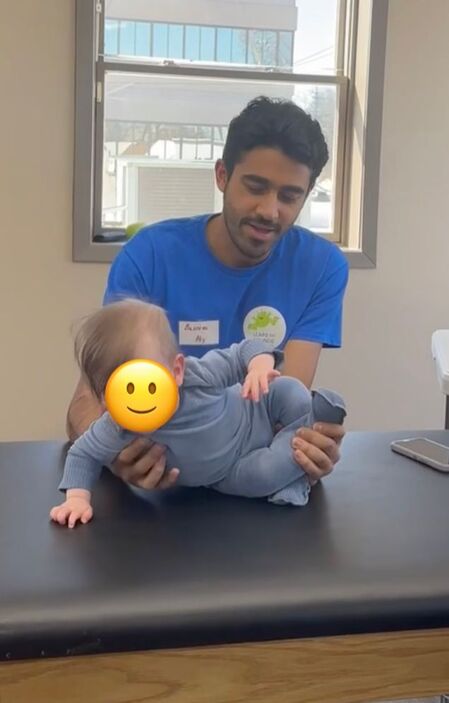
Techniques like the football stretch, which involves gently stretching the affected muscles, help alleviate tightness and improve flexibility.
4. Parent Education
Educating parents on proper positioning and handling techniques is crucial. Parents are taught to encourage their babies to turn their head in both directions and avoid positions that could reinforce muscle tightness. For instance, ensuring that babies spend time on their tummy while awake can help strengthen their neck muscles.
5. Functional Activities
Incorporating age-appropriate functional activities—such as reaching for toys, rolling, or sitting up—can help with overall motor development and promote better head control. Engaging in these activities encourages the baby to move their head and neck in different directions, which helps improve their flexibility.
6. Helmet for Plagiocephaly
If torticollis leads to plagiocephaly, where the baby's head becomes flattened, a helmet might be recommended. This helmet is designed to apply gentle pressure on specific areas of the skull, helping to reshape the baby's head over time.
Picture
Why Early Treatment Matters
Addressing torticollis early—ideally within the first few months—helps prevent long-term issues such as muscle shortening, developmental delays, and potential changes to head shape. Early physical therapy ensures that the baby reaches their motor milestones on time and avoids complications that can result from untreated torticollis, such as issues with vision and motor skills development.
​By intervening early and providing appropriate PT treatments, many babies can recover fully from torticollis and avoid the need for more invasive treatments later on.

If you have any concerns about your child's development, please call either
of our offices, or fill out the contact form on our website, and a member of our
team will help you schedule an evaluation at your earliest convenience.
We can’t wait to see your child grow by Leaps & Bounds!
South Shore: (718) 477-1911
North Shore: (718) 313-4743

Sweet Moves: Valentine’s Day-Inspired Physical Therapy for Pediatric Patients

2/1/2025


Valentine’s Day is a time for love, kindness, and creativity, making it the perfect opportunity to engage pediatric patients in fun and festive physical therapy activities. By incorporating Valentine’s Day themes into therapy sessions, children can enjoy their exercises while improving mobility, strength, coordination, and overall function. Here are some heart-filled intervention
ideas from Dr. Brianna to keep young patients motivated and moving!

Picture
1. Cupid’s Arrow Balance Challenge
Help children work on their balance and coordination by setting up a “Cupid’s Arrow” obstacle course. Using heart-shaped markers, cones, or stepping stones, have the child step or hop from one to another while carrying a soft foam arrow. This activity enhances proprioception, core stability, and lower-body strength.
2. Valentine’s Toss & Catch
Use red and pink bean bags, soft plush hearts, or balloons for an engaging toss-and-catch game. Varying the weight and texture of the objects helps with grip strength, hand-eye coordination, and upper-body control. Make it extra fun by adding a challenge, such as throwing the object into a heart-shaped target.
3. Love Bug Crawling Race
For younger children or those working on motor planning, crawling activities are excellent for improving strength and coordination. Set up a race where kids pretend to be “love bugs” and crawl through tunnels, under tables, or through obstacle courses while collecting heart-shaped tokens along the way.
4. Hug-A-Ball Core Workout
Using a therapy ball, have children sit and give it a “big Valentine’s hug” while maintaining balance. This strengthens core muscles and improves posture control. To increase the challenge, have them gently rock side to side or pass the ball back and forth with a partner.
5. Heart Hopscotch
Cut out large paper hearts and arrange them in a hopscotch pattern. Encourage children to hop on one foot, jump with two feet, or alternate patterns based on their therapy goals. This activity promotes lower-body strength, coordination, and motor planning.
6. Love Letter Relay
Create a relay where children transport Valentine’s Day “love letters” (small envelopes or paper hearts) from one side of the room to another. They can run, hop, or use adaptive mobility devices, making it a great way to encourage endurance and functional movement.
7. Heartbeats & Rhythm Games
Music and movement are fantastic for pediatric therapy. Play upbeat Valentine’s-themed songs and have children march, clap, or stomp to the beat. This supports auditory processing, timing, and motor coordination.
8. Spread the Love Yoga Poses
​
Incorporate heart-themed yoga poses like “heart openers” (chest stretches), “Cupid’s arrow” (archer pose), and “love tree” (tree pose with hands forming a heart shape). Yoga helps with flexibility, body awareness, and calming strategies.
Picture
 A Fun-Filled and Heart-Healthy Therapy Session!
 
By incorporating Valentine’s Day-themed activities into pediatric physical therapy sessions, children can stay engaged while working on their developmental goals. These creative interventions help make therapy sessions feel like play, fostering joy and motivation while promoting physical progress.
Whether it’s hopping, stretching, or hugging a therapy ball, these activities will ensure that love and movement are in the air this Valentine’s Day! 
<<Previous

    Welcome

    Welcome to the Leaps and Bounds Blog page where you can find helpful parent information, tips and other topics of interest. Check back monthly for new entries and be sure to send us a message if there are any topics you'd like to learn more about!

    Archives

    November 2025
    October 2025
    September 2025
    August 2025
    July 2025
    June 2025
    May 2025
    April 2025
    March 2025
    February 2025
    January 2025
    December 2024
    November 2024
    October 2024
    September 2024
    August 2024
    July 2024
    June 2024
    May 2024
    April 2024
    March 2024
    February 2024
    January 2024
    December 2023
    November 2023
    October 2023
    September 2023
    August 2023
    July 2023

    Categories

    All

Picture
Insurance Based Pediatric Outpatient Rehabilitation

​LOCATIONS

SOUTH SHORE COMMONS
2955 Veterans Road West
Staten Island, NY 10309
(718) 477-1911

RICHMOND AVENUE
1550 Richmond Avenue
​Staten Island, NY 10314
(718) 313-4743
​About Us
Physical Therapy Services
Schroth Treatment
​Dynamic Movement Intervention
Continuing Education
​Join Our Team!
Blog
​Contact Us
Email Us! [email protected]
© COPYRIGHT 2015. ALL RIGHTS RESERVED.
  • Home
  • About Us
  • Meet Our Team
  • Physical Therapy Services
  • Schroth Treatment
  • DMI
  • Continuing Education
  • Join Our Team
  • Blog
  • Contact
  • Book
  • Leaps Marketplace